Sovereignty is sometimes reduced to where data is stored. Location matters, but it is only one part of a much larger operational question: who can decide how intelligence is built, applied and changed?
Control must extend beyond infrastructure
An organisation can keep data in-region and still be dependent on a closed model, a proprietary workflow or a supplier it cannot replace. Meaningful control includes the context given to AI, the behaviour expected from it and the evidence available when decisions are reviewed.
This is why enterprise knowledge, human understanding and security must be treated as connected capabilities rather than procurement checkboxes.
Interoperability protects freedom of choice
Open interfaces and portable information flows let organisations combine the strongest capabilities for each task. They also help organisations adapt as requirements, regulations and technologies evolve.
Interoperability is therefore more than technical convenience. It is a condition for durable choice and a practical limit on lock-in.
European does not mean isolated
A sovereign European approach can remain open to global collaboration. The difference is that organisations participate on their own terms, with clear rules about data, accountability and security.
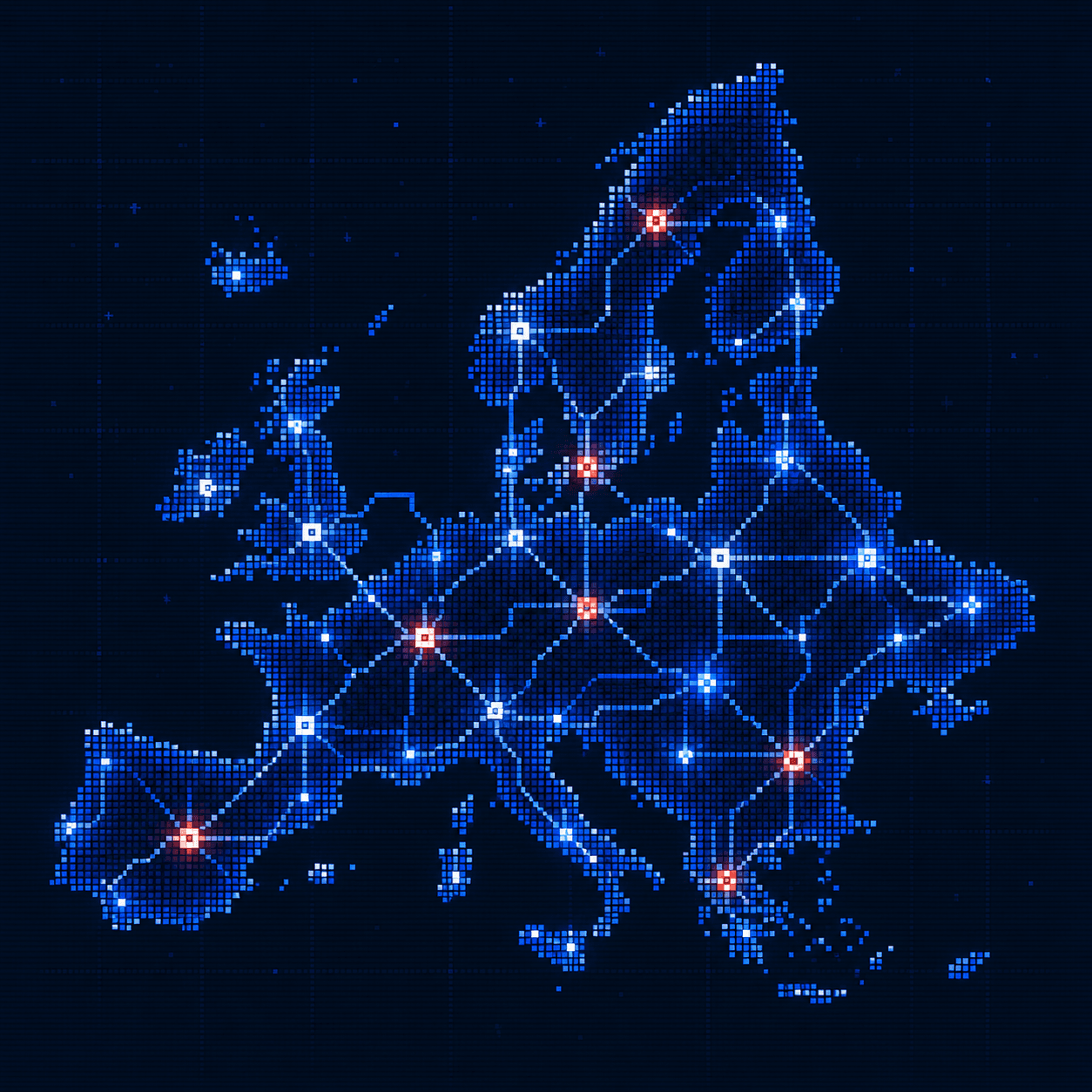
The goal is not a single European stack. It is an ecosystem in which organisations can connect trusted capabilities on terms they understand and control.